The CS2 Ban Wave: Valve Torches the Farms — What It Means for Cases
CS2Price · 2026-08-22 · 4 min read · 231 views ·
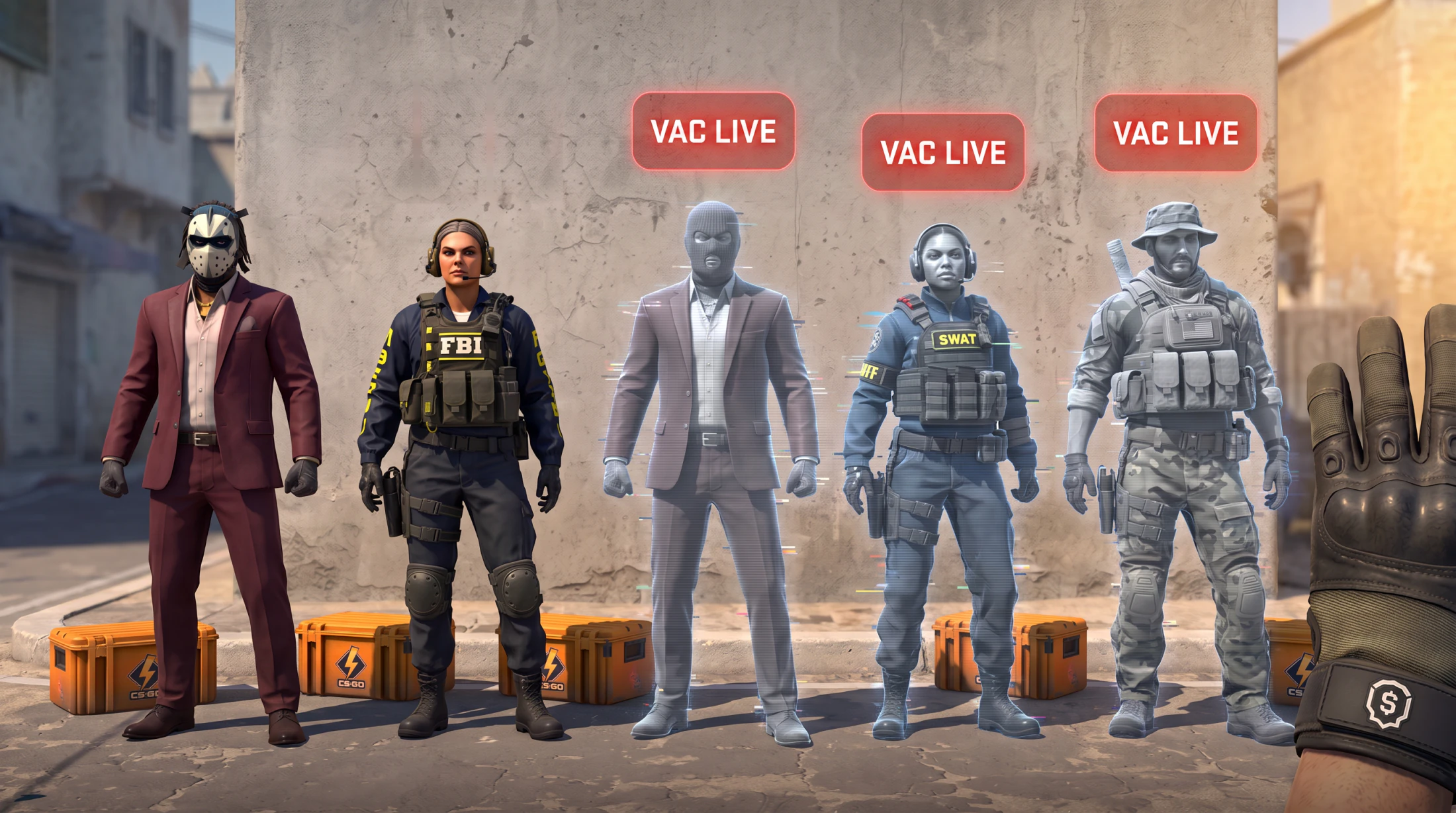
In three weeks Valve hit the CS2 grey market three times: patched the loophole rage cheats lived through, wiped out more farm accounts in a single day than it usually bans in a month, and handed players a new Patrol to train VACNet. For players this is news about fair matches. For the market it is about who supplies cases now — and what Prime accounts will cost. Let's go through the numbers.
The timeline: three strikes in a month
July 29 — Valve patched the VACNet bypass: rage cheats hid by feeding the anticheat fake view angles inside subtick data. Once patched, the backlog of flagged accounts started getting banned within their first rounds
Late July — the first Prime farm wave: around 1,000–1,500 accounts built to farm the weekly drop. Valve also cut bot XP farming in Deathmatch
August 6 — the main blow: 14,200 game bans handed out in a day against a normal background of about 700. The target: Wingman farms
August 11 — the VACnet Labelling Portal launched, the new Patrol: invited players label suspicious match clips and train the neural net
The August 6 wave in numbers
Metric
Value
Game bans in one day
14,200 — twenty times the daily background
Accounts in the wave after the full recount
30,035
Of them, holding items
15,141
Items frozen
$69,361 worth
Single most valuable frozen inventory
$5,618
Bans reversed within three days
326 — holding $47,942, about 40% of all the wave's money
VAC bans
0 — farms get game bans, not VAC
Data from the vac-ban.com tracker, August 6–10, 2026 snapshot
Zero VAC bans in the wave is not a typo. VAC catches cheats in the game's memory; farms die differently — via game bans for rule violations, which strip CS2 specifically. The full per-operator breakdown is in the vac-ban.com tracker report; below we take the market side.
Who gets banned: anatomy of a farm
The profile of a banned account: 186 hours in CS2 at Steam level around four. These are not idle bots — the accounts were grinding Service Medal and Armory Pass, converting hours into items. The wave covered two separate farms, and it is the third Wingman strike in two months: Valve seems to have found a farm detector for 2v2 that works, and now simply presses the button on schedule. Farming channels describe losing 70–80% of their fleets; one operator went from 250+ accounts to about ten.
The new Patrol: why Valve called in the players
Since August 11 selected players have been receiving invites to the VACnet Labelling Portal. The difference from CS:GO's old Patrol is fundamental: your verdict bans nobody. The labels feed a dataset that trains the next VACNet models — Valve is building a data pipeline, not a jury. Participants are asked not to record the process: the less leaks to cheat developers, the longer the detector lives.
Prime getting cheaper: account market signals
There is no Prime account exchange, but the channel signals are unambiguous: sellers of ready accounts are cutting price tags — our feeds caught a drop from $14.35 to $13.80 apiece within a week — while buyers of "Prime accounts and skins" have visibly perked up. The logic is simple: when ban waves mow down farm fleets, warehousing accounts becomes a risk and the stock gets dumped. Anyone buying a cheap second-hand Prime should remember how the wave ended for 15 thousand inventories.
What happens to case prices — aggregator data
Now the question that matters for the market. Farms are the weekly-drop conveyor: thousands of accounts dumped thousands of fresh cases onto marketplaces every week — which is exactly why active-pool cases cost pennies: $0.08 for Kilowatt, $0.50 for Fever, $0.54 for Gallery. Fewer farms, less fresh supply. To be honest: the effect is not visible on the chart yet — marketplace case stockpiles are huge and take months to drain. But if Valve keeps pressing the button every couple of weeks, the cheapest cases get their first real ground for growth in a long time.
Loading price history…
Live Kilowatt Case price history — the cheapest cases will show the ban-wave effect first
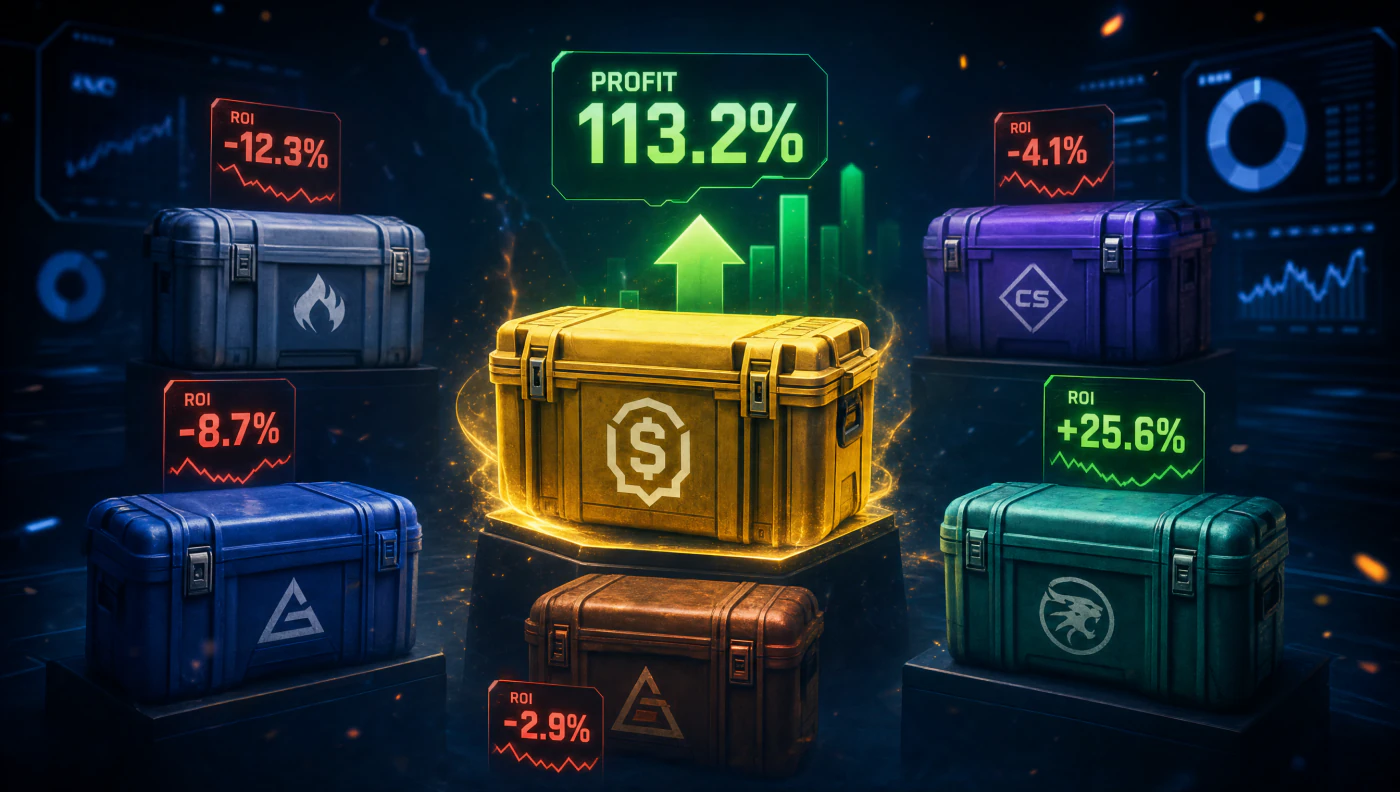
Whether to open cases against this backdrop is a separate question, and ban waves do not change it: the unboxing math was against you and still is. Per-case numbers are in the unboxing ROI breakdown of every CS2 case.
For traders: do trades and skins get you banned
Breathe out: the August 6 wave contains zero VAC bans and just 34 economy bans across sixteen thousand records. Regular skin trading is not in the crosshairs. The real risk is elsewhere: buying a "cheap second-hand Prime" — a farm account can get banned with everything you have parked on it.
Ban wave FAQ
Will I get banned for farming my own weekly drop?
Playing and collecting your own drop is normal; the waves hit mass farms — dozens or hundreds of accounts with bots and automation. One live account with real matches is not a target.
Will cases get more expensive now?
Not overnight. Marketplace stockpiles take months to drain and the charts show no effect yet. Growth becomes real if the waves turn regular — watch the live prices of the cheapest cases here.
Is the new Patrol the old Overwatch?
No. The old Patrol issued verdicts that led to bans. The new one labels clips to train VACNet: the system still does the banning, not the players.
Can trading or an expensive inventory get me banned?
The August 6 wave has zero VAC bans and 34 economy bans — statistical noise. Skin trading was not the target. Just do not buy farm Prime accounts: those are the target.
This story is live: the next wave can land any day. We track case and item prices across all marketplaces in real time — the prices in this article refresh the moment you view it.
 CS2Price